
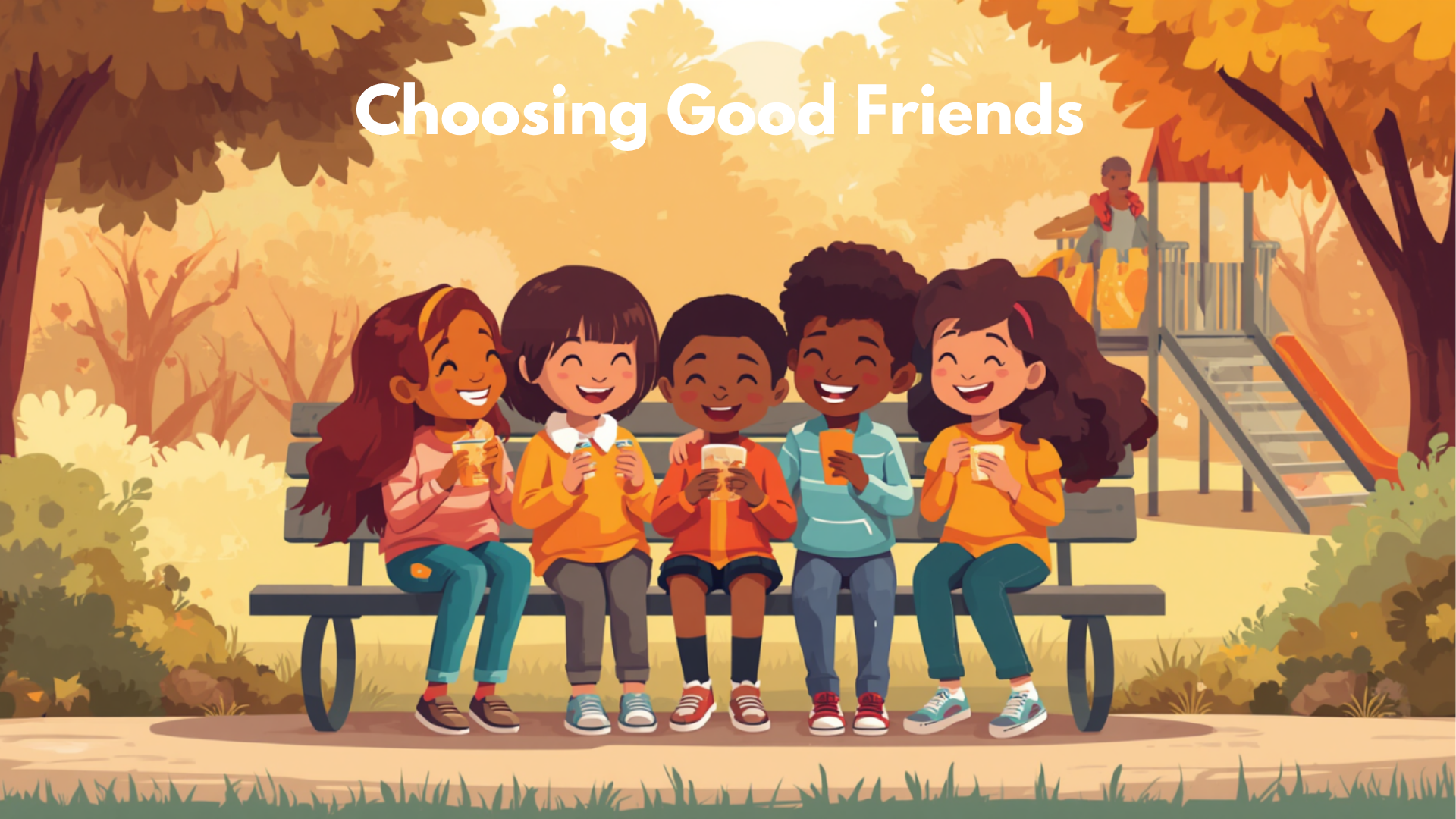
Her best friend moved away last year, and rebuilding a friend group from scratch at that age is genuinely rough to watch from the sidelines. It also opened up a good chance to talk about what actually makes someone a good friend, beyond convenience or proximity, which is mostly how kid friendships form in the first place anyway.
Companionship Rubs Off
Islam takes the influence of companionship seriously. The Prophet compared a good companion to someone carrying musk — you benefit just from being near them — and a bad companion to someone working a blacksmith's bellows, where even without direct harm you still end up covered in smoke and heat.
This comparison lands well with kids, vivid and easy to picture. Who you spend time with rubs off on you, gradually, in ways that aren't always obvious right away.
What Actually Makes a Good Friend
Honesty, kindness, positive influence on choices and character — that's the shortlist Islam encourages looking for. A good friend supports doing right, pushes back gently when someone drifts off course, and doesn't pressure anyone into things against their values.
For kids, translate it simply: does this friend make you want to be better, or are you doing things you know aren't right just to keep them happy?
The Friendships That Aren't Working
Not every friendship is healthy, and kids sometimes stay in unhealthy ones out of loyalty, habit, or fear of being alone. Sensitive topic — kids feel judged fast if a parent criticizes a friend directly.
Better move: ask open questions. How do you feel after spending time with this person? Do they encourage you or pressure you?
Letting kids reach their own conclusions sticks better than a parent simply declaring a friendship off-limits, a pattern that shows up too in this guide on talking to kids about Allah, where questions tend to work better than declarations.
Encouraging the Right Kind
Beyond avoiding negative influences, actively pointing kids toward friendships built on shared good values matters too.
Community events and shared activities rooted in Islamic values naturally introduce kids to peers who reinforce, rather than challenge, what's being taught at home — the same reasoning behind why weekly gatherings like Jumu'ah matter so much for building community.
Conclusion
Friendship shapes character more than most parents realize, and Islamic teaching offers genuinely useful guidance for helping kids choose companions wisely. Islamic Galaxy features stories that model positive friendship and community values for young viewers.
FAQs
What does Islam say about choosing good friends?
Companionship shapes character, according to Islamic teaching, comparing good friends to carrying musk and bad influences to smoke from a fire. Kids are encouraged to seek friends who support honesty and good choices.
How do I talk to my child about a friendship that seems unhealthy?
Ask open questions instead of criticizing directly, like how they feel afterward. This helps kids reflect and reach their own conclusions rather than feeling judged or shutting the conversation down entirely.
Can faith-based activities help my child build better friendships?
Yes. Community events and shared activities rooted in Islamic values naturally introduce kids to peers with similar principles, making positive friendships more likely to form on their own over time.