
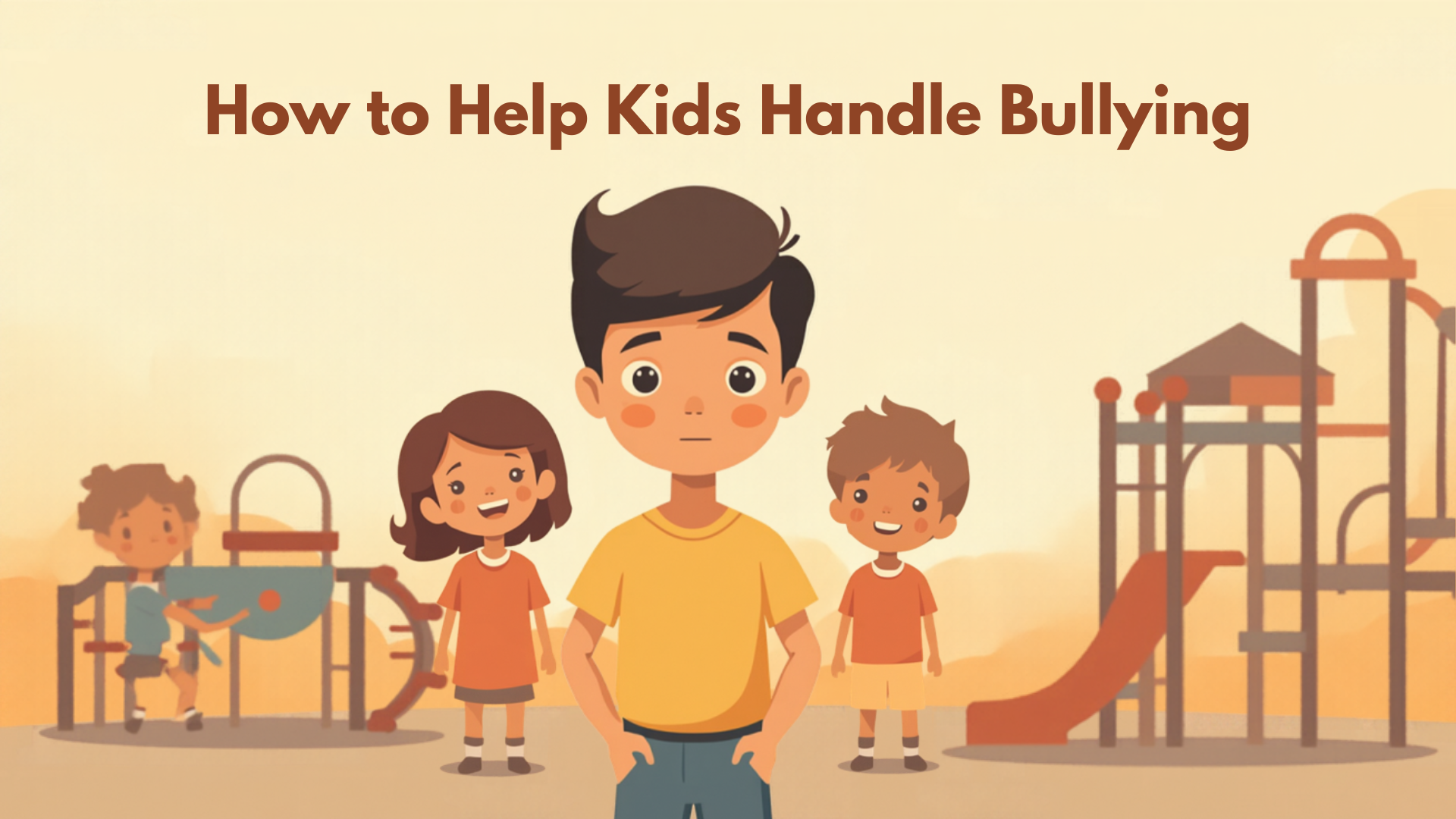
He came home crying over his accent, of all things — a classmate kept mimicking it during recess, over and over.
My sister-in-law wasn't sure whether to tell him to stand up for himself, ignore it, or loop in the school. Most parents land in that exact same uncertain spot at some point. Islamic teaching actually offers a fairly clear set of principles to lean on here.
Dignity Isn't Optional
The respect of individuals’ rights is important in Islam, and mocking or belittling someone is not acceptable. The Quran states that people who are mocked may be better in the eyes of Allah than those who mock them.
Powerful point to share with a kid being bullied. Worth isn't defined by how someone else treats you, and the person doing the bullying is the one acting against Islamic teaching here, not the target.
Responding, Not Just Coping
Islam doesn't teach passive suffering. Kids should be encouraged to speak up, tell a trusted adult, and seek help rather than quietly enduring it. Standing against wrongdoing is actually treated as a virtue, not something to avoid out of politeness.
At the same time, cruelty doesn't get answered with more cruelty. Teaching kids to seek help through proper channels, rather than escalating things themselves, reflects both wisdom and restraint.
Faith as a Source of Resilience
Reminding kids that Allah sees everything, including unfair treatment, offers real comfort. Not about waiting passively for justice — it's knowing their pain isn't invisible or meaningless, even when adults can't fix things right away.
Stories of Prophets who faced mockery and still held onto their character give kids relatable examples rooted in something bigger than the immediate situation, a theme that connects well to stories about honesty and character in Islam generally.
If Your Own Child Is the One Bullying
Worth addressing head-on if that's the situation. The same teaching about kindness and dignity applies, framed not as "you're in trouble" but as behavior that runs against values you're actively trying to build, similar in spirit to what's covered in this guide on raising a Muslim child abroad, where identity and self-respect come up often.
Conclusion
Bullying can cause pain to anyone, irrespective of their age. However, teaching children to respond to bullying with dignity, courage, and the ability to ask for help alters their perception of this behavior.
At Islamic Galaxy, we provide character-building material that brings these lessons to life through stories that children can relate to.
FAQs
What does Islam teach about how to respond to bullying?
Speak up and seek help rather than enduring bullying silently, while avoiding cruelty in return. Kids should understand their worth isn't defined by mistreatment, and standing against wrongdoing through proper channels is genuinely valued.
How can I comfort my child after they've been mocked or excluded?
Remind them Allah sees unfair treatment, and their worth isn't set by how others treat them. Pair emotional support with practical action, like involving a trusted adult, rather than leaving them alone with it.
What if my child is the one bullying others?
Address it directly and calmly, tying the behavior back to Islamic values around kindness and dignity rather than punishment alone. This tends to change behavior more effectively than discipline by itself.