

So your kid just asked you what the month of Shaban is, and you froze for a second, right?
Don't worry. Most of us grew up not really talking about this month. Ramadan was a big deal. Shaban was just... there.
But when you actually look at what the Prophet Muhammad ﷺ did during Shaban, it's kind of eye-opening. He fasted a ton. Like, his wife Aisha noticed and basically said,
"You're fasting more now than any other time except Ramadan." Why? Because he was getting ready. Quietly. Intentionally.
And that's what makes this month so good for kids. There's no pressure. No expectations from aunties at the masjid. Just a chance for them to build a habit or two before Ramadan hits.
This guide breaks down what the month of Shaban is, why it matters, and how to talk about it with your kids in a way that actually sticks.
What Is the Month of Shaban?
The month of Shaban is the Eighth month of the Islamic lunar calendar. It directly follows Rajab and precedes Ramadan. If the Islamic months were siblings, Shaban would be the middle kid nobody remembers to take pictures of.
Your kids probably know the regular calendar—January through December. The Islamic one works differently. It follows the Moon and not the Sun, which is why Ramadan dates don't repeat and happen this way.
Shaban lasts about 29 or 30 days, depending on the moon sighting. And honestly? Most Muslims don't think much about it. We're busy. Life happens. Then, suddenly, you realize Ramadan is starting in ten days or so, and you are nowhere prepared for it.
The Prophet Muhammad ﷺ wasn't like that; he treated Shaban seriously. Not in a stressful way, just in a "this month deserves my attention" way.
That's the difference.
Why Is the Month of Shaban Important in Islam?
Okay, so your kid knows what Shaban is now. Next question: why does it matter? Fair question.
It's not like fasting is required this month. There's no special prayer you have to do. So what's the big deal? The big deal is that the Prophet Muhammad ﷺ treated it like a big deal. Aisha, his wife, literally watched him fast more in Shaban than in any other month except Ramadan. She asked him about it once. He told her that Shaban is when people's actions get shown to Allah, and he wanted to make sure his were good when that happened. Not because he was worried. Because he cared.
Here's how I explain it to my kids: You know how you don't cram the night before a test? You start earlier, so you're actually ready? That's Shaban. The importance of the Shaban month in Islam is that it gives us a head start. We don't find ourselves in a panic on the first day of Ramadan, recalling how to pray Taraweeh or which dua to say at iftar. We've already been practicing. It's preparation without the pressure.
So we've talked about why Shaban matters. Now let's get into what the Prophet Muhammad ﷺ actually did during it.
What Did Prophet Muhammad ﷺ Do in Shaban?
Because your kids aren't going to care about theory. They want to know what it looked like.
He fasted. A lot. Aisha basically said he fasted more in Shaban than in any other month except Ramadan. Not because anyone told him to. Just because he wanted to be ready.
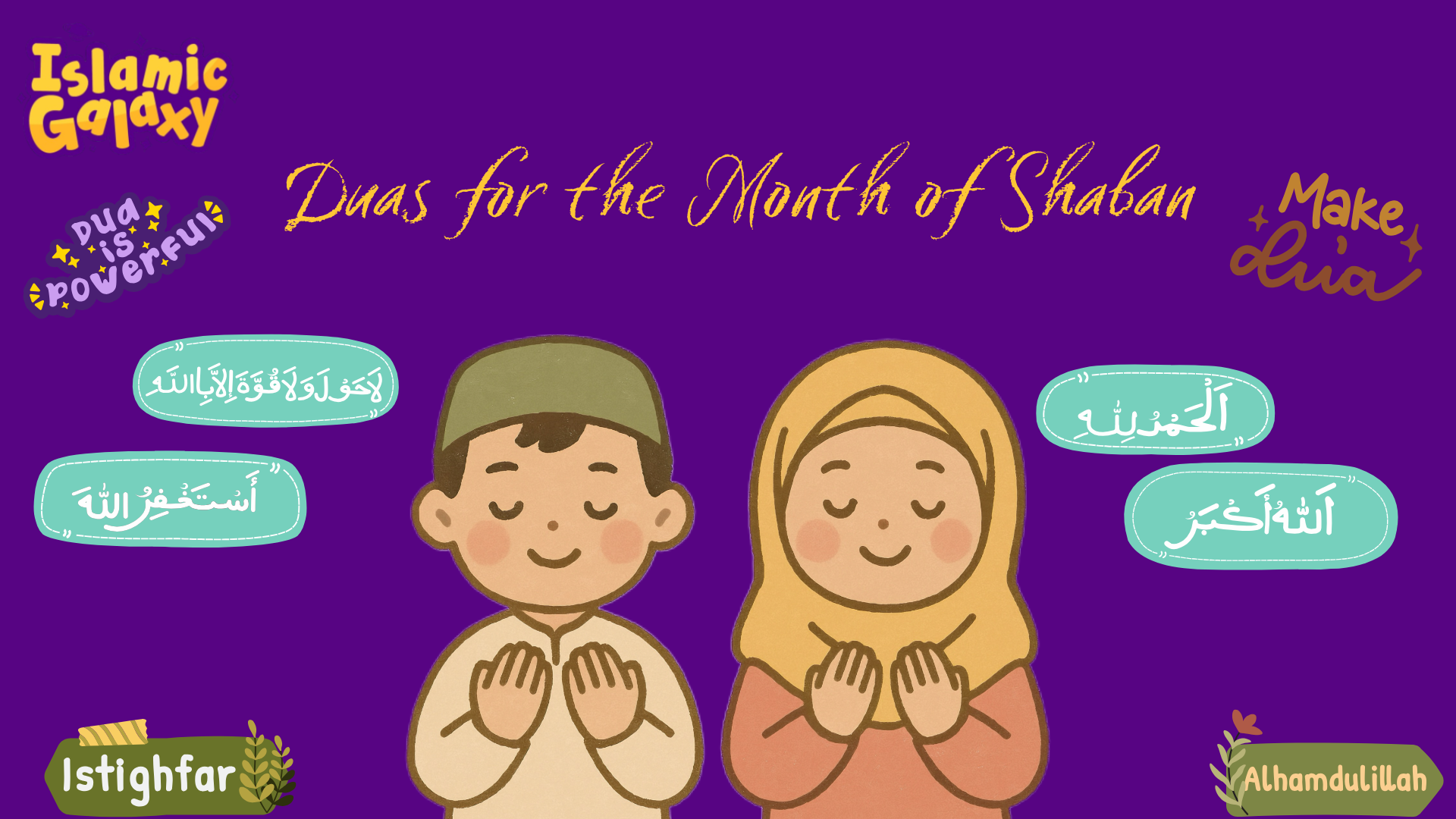
He prayed extra. Made more dua. He also used to spend time asking Allah for forgiveness, even though he was, after all, the Prophet.
But that is what to me makes it clear: he was not overworking himself. He was not turning it into a big, stressful thing. It was just part of how he lived. Steady. Intentional.
My kids need to see that version. Not the "do everything perfectly or don't bother" version. Just the "start small and keep showing up" version.
Because that's actually doable. And that's what Shaban is supposed to feel like.
Benefits of the Month of Shaban for Kids
Now that your children are familiar with the deeds of the Prophet ﷺ in Shaban, let us reflect on why this month is actually good for them.
Because "the Prophet did it" only goes so far with a ten-year-old. They want to know what's in it for them.
It takes the pressure off. Ramadan can feel like a lot. Fasting all day, Taraweeh at night, everyone watching to see if you're doing it right. Shaban lets them try things out when no one's keeping score.
They can build habits slowly. Maybe your kid wants to pray Fajr on time during Ramadan. Shaban's when they can start practicing without the guilt if they mess up.
It teaches them that effort counts. They don't have to fast for a full day. Even waking up for suhoor and trying until noon matters. Allah sees that.
It brings the family together. You're all preparing for the same thing. Maybe you're meal prepping together or decorating the house early. Shaban turns into this low-key bonding time.
They get to understand patience and consistency. Everything doesn't need to happen in a day. Little steps throughout a month ultimately lead to something tangible.
The benefits of the month of Shaban aren't just spiritual. They're practical. Your kids get to practice being the person they want to be in Ramadan, without all the eyes on them.
Is Shaban Only About Fasting?
Let me just say this real quick before your kid thinks they have to stop eating for a month.
Shaban is not only about fasting.
Yeah, the Prophet ﷺ fasted a lot. We've covered that. But he also did a million other things. He prayed more. Made dua. Helped his neighbors. Spent time with his family. Asked Allah to forgive him. If your kid wants to try fasting, cool. If they make it till Dhuhr and then need lunch, also cool.
But maybe fasting's not their thing yet. So they help you fold laundry without whining. Or they memorize Al-Ikhlas. Or they save up some money to give as sadaqah.
All of that matters.
Allah's not up there disappointed because your eight-year-old didn't fast. He sees them trying to be kind. He sees them making an effort.
Shaban's about preparing your heart. However, you do that—whether it's through fasting or just being a little more patient with your siblings—it counts. So no, Shaban's not only about fasting. It's about trying to be better in whatever way you can right now.
Easy Shaban Activities for Kids
Okay, so now the practical part. What can your kids actually do during Shaban?
Because you may discuss the Prophet ﷺ for a lifetime, yet without knowing where to start, individuals will simply give you a blank look and leave.
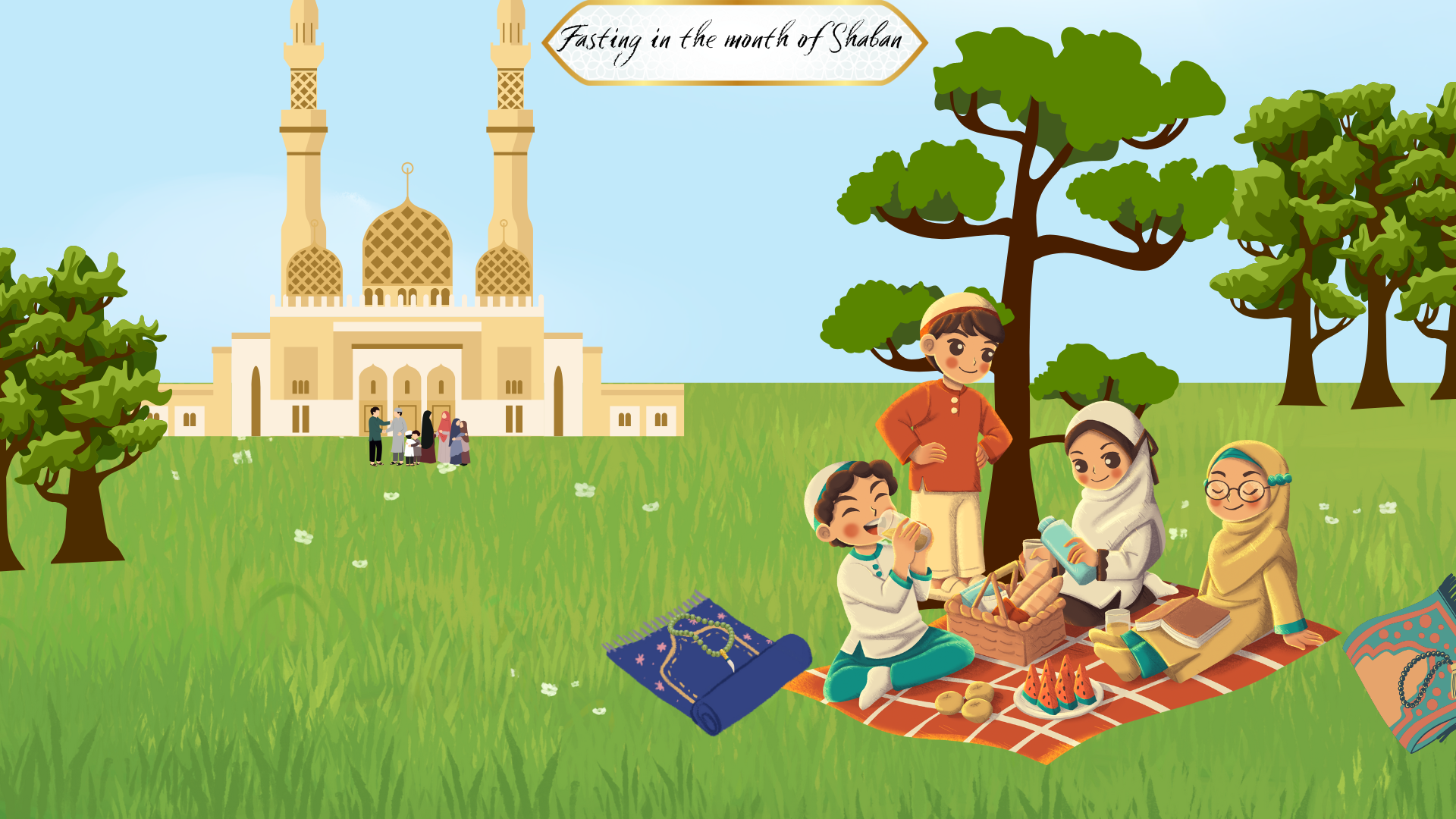
Let them try fasting—their way. They don't need to do sunrise to sunset. Maybe they skip breakfast and make it till Dhuhr. Maybe they fast on Mondays. The point is trying, not suffering.
Have them help around the house. Not because you told them to, but because they're choosing to. Taking out the trash. Setting the table. Putting their own laundry away for once. Small stuff that actually makes a difference.
Pick one short surah to memorize. Al-Ikhlas is like four lines. Or teach them the dua before bed and actually have them say it every night.
Let them give sadaqah. Even two dollars. Let them choose where it goes. Masjid, food bank, wherever. They'll remember it way more if they picked it.
Make a chart. Stick it on the fridge. Every good deed gets a check mark or a sticker. Kids love seeing progress.
Pray together. Just two rakats before bed. You, them, whoever's home. Make it normal, not fancy. Don't pick all of these. Pick one. Maybe two. And actually do them.
If you're looking for more fun Islamic activities and stories to do with your kids, check out Islamic Galaxy for resources that make learning about Islam easy and engaging.
How Shaban Helps Us Get Ready for Ramadan
Here's the thing. Ramadan comes along, and suddenly your kid's blasting at 4 a.m. wakes up, not eating or drinking the whole day, going to Taraweeh at night, and somehow still finishing their math homework. It's a huge jump if they haven't done any of it before. Shaban lets them ease into it.
Have they been trying to fast a few hours here and there? Cool, now a full day doesn't feel impossible. Have they been waking up early for a week or two? Suhoor's not a complete shock to their system.
It's like practicing free throws before the actual basketball game. Shaban's the practice. Ramadan's the game.
And when kids walk into Ramadan already halfway there, they don't spend the first week miserable and confused. They're actually ready to experience it.
That's what makes this month worth paying attention to.
How Parents Can Teach Kids About the Month of Shaban
Then how do you make your kids really care about Shaban without coming off as if you are lecturing them?
Just drop it into conversation. You don't need a PowerPoint. Mention it at dinner. "We're in Shaban now. Prophet Muhammad ﷺ used to prepare for Ramadan during this month." Done. Let them sit with it.
Live it yourself. If the Fajr call is to be successful, the kids have to witness their mother struggling to get out of bed, too. Children are imitators of actions, not hearers of words.
Don't guilt them. Shaban's not about making them feel bad. It's about giving them space to try things when nobody's watching.
Do stuff together. Fast the same day. Pray Maghrib as a family. Make dua before bed. When you're both doing it, it feels less like a chore. And seriously, don't force it. Some kids aren't ready yet. That's normal. Just keep the option open.
Conclusion,
Look, Shaban's not going to make or break anything. It's not this massive test your kid has to pass.
It's just a quiet month that gives them a head start.
They don't have to do everything. They don't have to be perfect. They just have to try something. Anything.
Maybe they fast one day. Maybe they help you cook without complaining. Maybe they just start thinking about Ramadan before it sneaks up on them like it does every year. That's it. That's all this month is asking for.
And the beautiful thing? Allah sees that effort. He sees them trying to get ready. He sees the small stuff we think doesn't matter. To Him, it absolutely does.
So if your family's never paid attention to Shaban before, maybe this year you can start. Even just a little bit.
It's worth it.
Want more practical Islamic parenting tips and resources? Subscribe to Islamic Galaxy and get fresh ideas delivered straight to your inbox.