
When my sister had her first baby, my mother started talking about Aqiqah before the poor kid was even a week old. I remember thinking, wait, what exactly is this again? I'd heard the word my whole life, my whole life, and somehow never actually sat down and learned what it involved or why it mattered so much to her.
What Aqiqah Actually Is
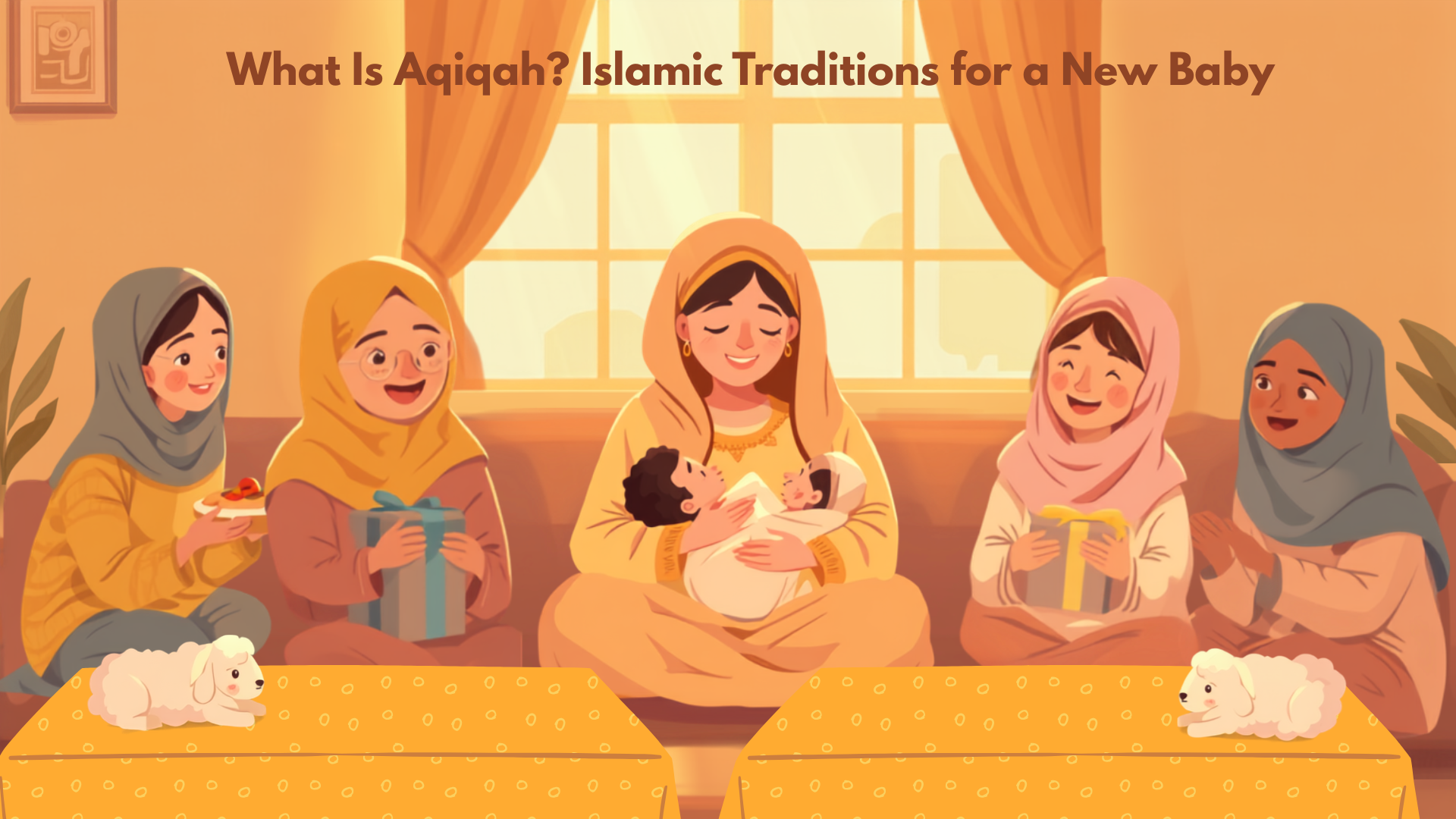
Aqiqah is a Sunnah, meaning it's a practice encouraged by the Prophet Muhammad's own example, peace be upon him, marking the birth of a new baby. It usually involves sacrificing an animal, traditionally two sheep or goats for a boy, one for a girl, with the meat shared between family, friends, and people in need.
Typically done on the seventh day after the baby arrives, though families push it later sometimes when life gets in the way, which it usually does with a newborn.
The word itself ties back to the baby's hair, actually.
Historically, the practice was linked to shaving the newborn's head around the same time, sometimes weighing the hair in silver or gold as charity. Not every family does every part the same way. The core idea stays the same, though, marking new life with gratitude and generosity, however each family gets there.
Why Families Choose to Do It
At its heart, this is really just an act of thankfulness. A new baby, huge blessing, and Aqiqah gives families a structured way to express that through generosity rather than just words, which, let's be honest, only go so far. Sharing the meat with people who need it ties the celebration of new life directly to caring for the community, a theme that shows up again and again in Islamic practice, not just this one.
It's also, practically speaking, a wonderful excuse for family and friends to gather, eat together, and welcome the baby properly. That part matters just as much emotionally as it does religiously, honestly, especially for exhausted new parents who could use the support more than they'd ever admit out loud.
What the Seventh Day Tradition Looks Like
On day seven, alongside the sacrifice, a lot of families also settle on the baby's name if they haven't already, and some shave the baby's head too. None of this has to happen on exactly the same day or in a specific order. Families vary, a lot actually, in how closely they follow each piece.
If naming's still up in the air around this time, our guide to Islamic baby names and their meanings pairs well here, since so many families are working through both decisions at once, usually while running on very little sleep.
What If You Can't Do It on Day Seven
Life with a newborn rarely goes to plan. Islamic tradition actually accounts for that. If day seven isn't realistic, whether it's money, timing, whatever the reason, Aqiqah can be done later, and some scholars say it can even happen well beyond infancy if it has to. The intention and the act matter more than hitting an exact date on a calendar.
Watching my sister go through this with her own daughter made the whole tradition click for me in a way it never had before. Less about ritual for ritual's sake, more about marking gratitude with real generosity toward other people. For more guidance on Islamic parenting traditions and milestones, visit islamicgalaxy.
FAQs
Is Aqiqah required in Islam? No, it's considered a Sunnah, strongly encouraged based on the Prophet's example, but not obligatory. Families who can't afford it aren't required to perform it at all.
Can Aqiqah be done after the seventh day if needed? Yes, many scholars allow flexibility here. While day seven is traditionally preferred, families facing financial or logistical constraints can perform it later without concern.
Is Aqiqah the same as sacrificing an animal for Eid al-Adha? No, they're separate traditions with different purposes. Aqiqah marks a baby's birth specifically, while the Eid al-Adha sacrifice commemorates a different, unrelated act of devotion.